On foggy spring early mornings in Dexter, the barns awaken before the coffeehouse. You can listen to the soft clink of lead ropes, a mare's reduced nicker, boots grinding over gravel. People that arrive for equine-assisted services often include shoulders drawn limited and thoughts running fast. They leave a little taller. Not since the horses lug them, however since the equines fulfill them specifically where they are.
I have spent years on these lanes west of Ann Arbor, viewing individuals locate steadier ground with a herd close to them. The work is peaceful yet not little. A teenager who can not sit through homeroom will practice stillness as a horse takes a breath with him. A manager who outruns every target date will certainly learn to pause, then lead, by persuading a gelding to tip off without halter at all. Parents that have actually attempted whatever for a kid's sensory overload see, for the first time, a pathway that honors level of sensitivity as opposed to fighting it. The hoofbeats matter because they drum a tempo the body can trust.
What equines observe that we usually miss
Horses advanced as prey animals. Their survival depends on reviewing the globe with precision: the angle of a shoulder, the breath pattern of a herd mate, the stress that creeps into a jaw. They see what is true before we discover words for it. That is why equine-facilitated wellness functions best when we decrease and allow the equine's comments shape the session.
Here is a familiar example. Somebody strolls right into the arena, heart auto racing, duplicating, I'm great. The steed raises its head and actions away. A great trainer does not press the individual to mask better. Rather, we welcome sincerity. Try this, I'll claim, call three points you feel right now without changing them. Possibly the response is, My hands are chilly, my upper body is humming, and I wish to cry. We stop briefly. The horse licks and chews, then softens the neck, and usually, go back towards the person. That little strategy is not a method. It is the horse reacting to congruence, the placement between what we show and what we carry.
Somatic healing with horses occurs in those minutes of alignment. You do not require to chat via every tale. The body tells the truth, the equine mirrors it, and together we exercise brand-new patterns that the nerve system can keep. With time, that may look like a steadier gait when you walk across a parking area, a less complicated exhale at bedtime, or the guts to set a limit prior to bitterness erupts.
Dexter's rate, and why it helps
Dexter, MI, supplies an in-between zone. It is close enough to Ann Arbor that a weekday session fits between conferences, yet the min you turn onto a dust roadway, life loosens up. We lean right into that rhythm. Equine-assisted training right here does not hurry. We schedule sessions to leave area before and after, so no person arrives straight from a red light and climbs on a steed in a hurry. If the climate changes, we change also. Windy days come to be terrific for practicing grounding abilities. Summer season warm relocates us into a shady round pen with low-stimulation tasks. Winter brings crisp air that develops focus, and we make use of the barn aisle for learning to review micro-signals safely.
This is not a health facility. It is a working farm with the clean odor of hay and a few harmless cobwebs in the rafters. That realness helps people who are tired of fluorescent rooms and clipboards. Equines force us to stabilize end result goals with animal well-being and ecological reality, and that blend builds patience you can return into a class, a kitchen, or a boardroom.
What compassionate training looks like
Good equine-facilitated coaching is highly structured behind the scenes, then gentle at the sides. We start by asking what you want more of in your life. Much better rest. Much less reactivity. More clear communication with a partner or team. We convert those goals into experiences the field can hold.
An initially session frequently unfolds such as this. We fulfill at the rail and do a brief alignment to safety and permission. You learn where to stand, just how to provide your hand, and, just as crucial, how to say no if anything feels too much. We walk the border of the field to let your detects change. I see your breath price, your eyes, your gait, and I match the steed to your present state. For someone with competing thoughts, I could begin with a slow, curious mare that welcomes existence. For a teen with ADHD who requires immediate comments, I choose a pony with a spirited streak that compensates emphasis with connection.
We start on the ground. Installed work has its place, but also for anxiousness support with equines, the wealthiest understanding comes without a saddle. You might ask the horse to mirror your actions without rope affixed. If your pace is agitated, many horses will certainly fall back or wander away. When you release your jaw and swing your arms a lot more freely, they commonly track your shoulder and include you. The steed makes your internal state noticeable. We call it, then technique. Ten mins later, you can feel the difference without a lecture.
Two stories from the rail
Maya came at 32 with a habit of anxiety attack in grocery store aisles. She despised the uncertain beeps and collections of individuals. In the field, she discovered to orient with https://tysoneqij798.wpsuo.com/tranquil-minds-steady-steps-stress-and-anxiety-support-with-horses her eyes and breath prior to taking action. We set up three cones. Her work was to lead a gelding around them in a figure-eight utilizing just a long line draped slack. She fell short twice because she infatuated on the cone, not the steed. After that she tried a hint we practiced: Feel first, after that look. She turned her ribs slightly and allow her breath travel completely to her back. The gelding's ear flicked in, and he followed her body language, not the rope. We did that five times in a row. 2 weeks later, Maya called and claimed, I made it through the store by feeling my feet before I denied each aisle. Exact same ability, different context.
Liam is 9, part of our autism equine finding out program, brilliant and funny, conveniently flooded by noise. The barn can be a whole lot: swallows chattering in the rafters, a tractor beginning somewhere, a goat objecting for enjoyable. With Liam, we constructed rituals that recognized his sensory profile. The first ten minutes, he cleaned the horse's neck with a soft curry while I read his face. When his cheeks pinked and his breath shortened, we stopped briefly and named audios. The pony helped by sleeping, head low. Over three months, Liam progressed from 2 minutes on the placing block to strolling a complete lap under saddle at the walk, then asking to guide to a target. The target mattered due to the fact that it provided him firm. His parents reported he now tolerates the college lunchroom enough time to complete lunch. Not because he discovered to neglect his body, yet due to the fact that he learned a sequence: notice, name, source, choose.
The landscape of terms, and what fits
Families and companies in the Dexter location typically inquire about the alphabet of options. The field makes use of overlapping language, which can perplex anyone examining sites late at night.
Therapeutic horsemanship normally refers to adaptive riding or groundwork programs led by credentialed instructors that adapt activities for individuals with handicaps. Equine-assisted activities can consist of pet grooming, leading, and standard riding made to construct self-confidence, electric motor preparation, and social abilities. Equine-assisted services is the wider umbrella that includes coaching and psychological health services.
Equine-assisted coaching and equine-facilitated coaching concentrate on goals such as communication, management, strength, or life shifts and are delivered by experienced trains, in some cases in collaboration with psychological health and wellness clinicians. The very best programs disclose the credentials on both the human and equine side, and they make the range of method clear. We typically collaborate with therapists when the job touches trauma, grief, or clinical stress and anxiety and depression. That collaborative handoff protects customers and values the boundaries between coaching and psychotherapy.
There is no solitary right doorway. For somebody seeking ADHD equine discovering assistance, an experiential learning with equines format that targets exec function can do more than a common riding lesson. For someone in intense distress, equine-facilitated health sessions co-led with a licensed clinician may be safer and much more reliable. Request an examination, define your goals, and anticipate providers to supply a clear rationale.
Team structure with equines that really transfers
Corporate offsites run the risk of ending up being high-fives and a flip graph that collects dust by Monday. Group building with horses works in a different way because steeds reply to just how groups genuinely coordinate, not to what they declare. I run 3 styles depending upon needs and group size.
The fastest is a 2.5 hour workshop for intact groups of 6 to ten. We established two difficulties: move a steed via a course of poles without touching the steed, and assign functions for safety, method, and responses. In one current Dexter session, an engineering group attempted to "project-manage" a mare across the field. She graze-checked every tuft of grass, immune to their Gantt graph method. After 2 stopped working attempts, they realized no one was enjoying the steed's signals. They reassigned a silent colleague as the spectator. He began to call out, She is getting tight at the hip, wait for her to blink. The group slowed down, the steed breathed out, and they finished the training course. Monday's debrief email, unrequested, stated they caught a near-miss in manufacturing because someone named a stress factor early. That is what transfer looks like.
Longer programs, 4 to eight hours, layer in communication drills and self-regulation tools. If a leader can not downshift their nervous system, the equine will certainly avoid or push right into them. Everybody sees it. The team practices particular resets: box breathing, visual concentrate on the perspective, softening the tongue on the roofing of the mouth. The majority of teams entrust to a shared vocabulary that appears in conferences. We track follow-through for thirty day with two check-ins, due to the fact that retention matters more than a great day at the barn.
Working with sensory distinctions, not versus them
Plenty of families reach us after years of attempting to shoehorn a youngster into environments that really feel as well loud, too quick, or too brilliant. Different therapy for sensory difficulties does not indicate disregarding work therapy or speech job. It implies including a context where the body has an opportunity to succeed.
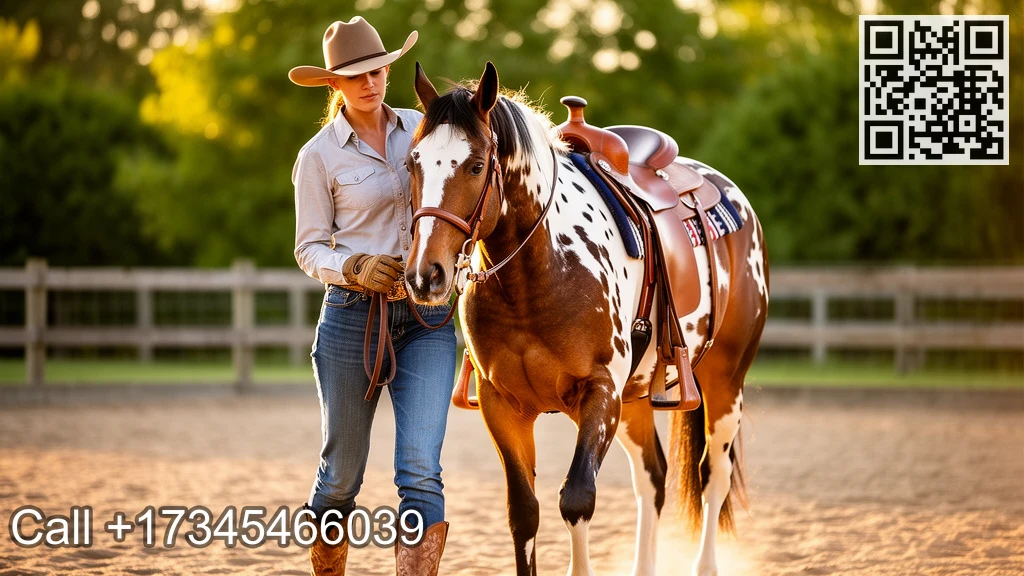
The barn supplies natural sensory input in manageable doses. The balanced guide of an equine at the stroll organizes the vestibular system. Cleaning a huge, warm body feeds proprioceptive requirements in such a way weighted vests can not constantly match. Scents are organic and foreseeable. Seems stand out and local. We regulate the number of individuals in the arena and the rate of tasks. If a child covers their ears when a farrier hammers a shoe, we do not force direct exposure. We relocate to a paddock, name the sound, and deal alternatives: earphones, distance, or a various task for the following ten mins. Firm is not a luxury. It is exactly how safety builds.
Parents commonly ask the length of time change takes. For sensory law, small markers often tend to appear by weeks three to five: fewer disasters after institution, quicker changes at going to bed, far better tolerance for grooming or toothbrushing. We document what we see in the field, after that co-create a simple regular to practice in the house. Nothing fancy: 3 mins of wall surface push-ups before research, or a one-song cleaning routine for the family dog.
Safety, values, and real limits
Horses are living beings with their very own requirements and moods. Good programs in Dexter prioritize their welfare and construct sessions around it. You will hear us discuss authorization, and we indicate the equine's approval too. If a gelding pins his ears when a child hugs his neck, we teach the kid to support and offer the shoulder rather. We do not penalize the horse for establishing a limit. We model how to check out and value it. That lesson alone has actually altered more brother or sister characteristics than any type of timeout chart.
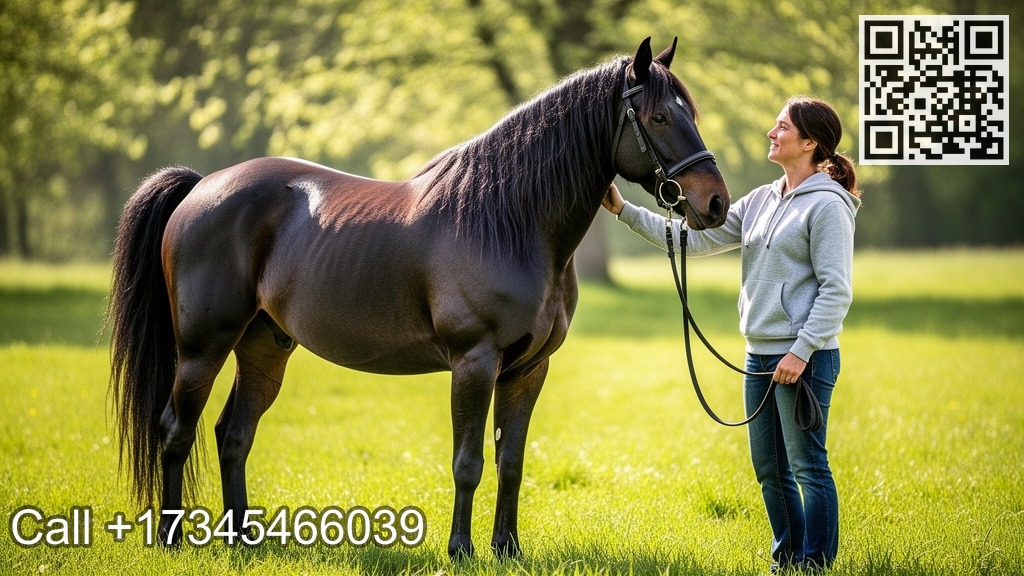
Edge cases issue. Hatreds hay or dander are genuine. We ask customers to consult their doctor and, if needed, we set sessions outdoors where airflow is best and keep grooming to a minimum. Weather in Michigan relocates quickly. We cancel for lightning, icy ground, or high-wind days when things fly. If a person shows up horrified of steeds, we do not hurry call. Many developments occur outside the fence, utilizing range to construct trust.
And after that there is the honest concern: what if steeds are not the appropriate fit? We state so. If a client's objectives demand trauma therapy past our range, we refer. If a person's wheelchair requires surpass what we can sustain securely, we collaborate with a restorative horsemanship center with flexible tack and clinical oversight. Honesty tightens up the circle of care.
How we measure progress you can really feel and see
Not whatever worth tracking lives on a spread sheet, yet we do evaluate gains where we can. Executive feature improvements show up in sustained focus during 10 min jobs, lowered prompts, and smoother task changing in the field. Anxiety support with steeds equates right into measurable modifications in heart rate recuperation after mild stress factors. For teens, we usually see a decrease in institution registered nurse check outs over a term, or less absences connected to somatic complaints.
Parents and adults co-write two to four objectives per 8 to 12 session cycle. Examples include: initiate a grounding method when overstimulated within one minute; interact a clear demand in the sector without raising voice; lead an equine through a pattern utilizing body language and 2 verbal signs. When the purpose is fulfilled continually across 3 sessions, we update it or increase the challenge. We also listen to subjective victories. One mama, eyes wet at the fence, said merely, We had dinner without a battle. That counts.
Choosing a program in and around Dexter
The Dexter area has a handful of barns that blend lesson programs with equine-assisted offerings. Do a website visit. Enjoy a session if privacy enables. Notification just how the equines look: brilliant eyes, healthy and balanced weight, audio movement. Ask whether the program compares equine-assisted activities, equine-assisted mentoring, and therapy. Credentials vary, and great carriers will certainly explain them without lingo. If your kid gets on the autism spectrum or has ADHD, inquire about sensory supports, changes, and visual help. Ask whether the staff comprehends stimming and sustain it safely rather than reduce it.
Here are 5 concerns that make contrasts much easier:
- What are your team qualifications on the training, psychological wellness, and equine care sides, and how do you handle scope of practice? How do you match clients to particular horses, and what indicators tell you it is time to switch? What is a common first session, and how do you change for anxiousness, sensory sensitivities, or worry of animals? How do you set and gauge goals, and just how will certainly you connect progression to me or my youngster's care team? How do you make certain the well-being and consent of the equines throughout sessions?
If any kind of answer really feels vague, maintain looking. The ideal fit is available, and in this area, healthy issues greater than a shiny brochure.
A day on the ranch, and what it teaches
I consider a Thursday in late September. The soy fields looked like somebody had brushed them with a gold crayon. We had 3 sessions back to back.
First was a high school junior that fights examination stress and anxiety. She started anxious, lips pressed tight. Her steed, a bay with interested eyes, maintained tipping behind her. We stopped briefly and exercised one skill: plant your heels, soften your tongue, after that action. The equine came forward on the third try. Later that week, she texted a picture of a B+ on a chemistry test. Not a wonder, a method.
Next came a dad and his seven-year-old child with ADHD. The pair argued constantly at home. We used identical tasks. The son built a pattern of poles on one side of the sector, the father built one more. After that they exchanged programs and attempted to lead the exact same pony through. Both fell short quick since they neglected to take a look at the steed. The son chuckled initially. Wait papa, really feel first, then look, after that relocate. They tried again, this moment seeing together. When they finished, they high-fived without triggering. The pony yawned.
Last was a little not-for-profit team. We established a challenge that required quiet leadership. The most elderly person intended to drive the procedure. The horse kept leaving him for the intern that stood constant and took a breath uniformly. We called what was occurring, then rehearsed a handoff: senior leader sets intent, intern sets pace, horse levels. They obtained it. Months later, that group attributed the session with improving their meeting flow.
That string of sessions shared a motif. Horses brought everyone back to a straightforward facility, the location decisions land clean.
Costs, logistics, and the monotonous details that make programs possible
Practicalities issue. In Washtenaw County, equine-assisted coaching sessions usually run between 90 and 140 bucks for 50 to 60 minutes, with longer group programs valued each or per event. Healing horsemanship lessons with flexible riding instructors vary from 50 to 90 bucks, depending upon staffing and devices. Insurance coverage seldom covers coaching, sometimes covers psychological health services if billed by a certified medical professional, and generally does not cover riding lessons. Some barns maintain scholarship funds or sliding ranges. Ask early, and do not be timid concerning layaway plan. We keep a couple of sponsored spots each quarter funded by local donors that believe accessibility must not depend upon a paycheck.
Clothing is basic. Closed-toe footwear, long pants, layers you can peel off. Headgears for mounted job are offered and sanitized, though lots of families buy their own. If weather condition lands in a grey zone, trust the barn to decide. Our predisposition is safety and security and the horse's well-being.
Scheduling typically functions best regular or every various other week. Energy matters. Cancellations happen. We keep waiting lists and occasionally use tiny team sessions for learners with comparable goals. Team sizes stay tight to respect interest and safety.
Why belonging rests at the center
I named this job compassionate training because the heart of it is not efficiency. It is belonging. People do much better when they really feel seen without judgment. Steeds set that bar. They do not care about resumes or diagnoses. They care whether your inside suits your exterior, whether you can manage enough to be risk-free, whether you are somebody worth standing near. Belonging here does not mean merging right into similarity. In a herd, each horse keeps its form, and the team functions because of distinction. That is the version I rely on for family members navigating autism, for grownups restoring after exhaustion, for teams trying to remember how to function without tearing each various other down.
When a kid who shies from eye call presses a hand against a cozy shoulder and feels a stable breath under their palm, something adjustments. When an executive that has actually not listened deeply in years stands peaceful long enough to discover a flick of an ear, a change begins. When a daddy and child share a joke while brushing up the very same aisle, the family members tale tilts toward grace. The farm offers us these minutes, after that sends us home to practice.
Getting started with equine-assisted training in Dexter
If the idea pulls at you, take one tiny action. You do not need to be an equine person. You do not have to be endure right now. You just need to be curious.
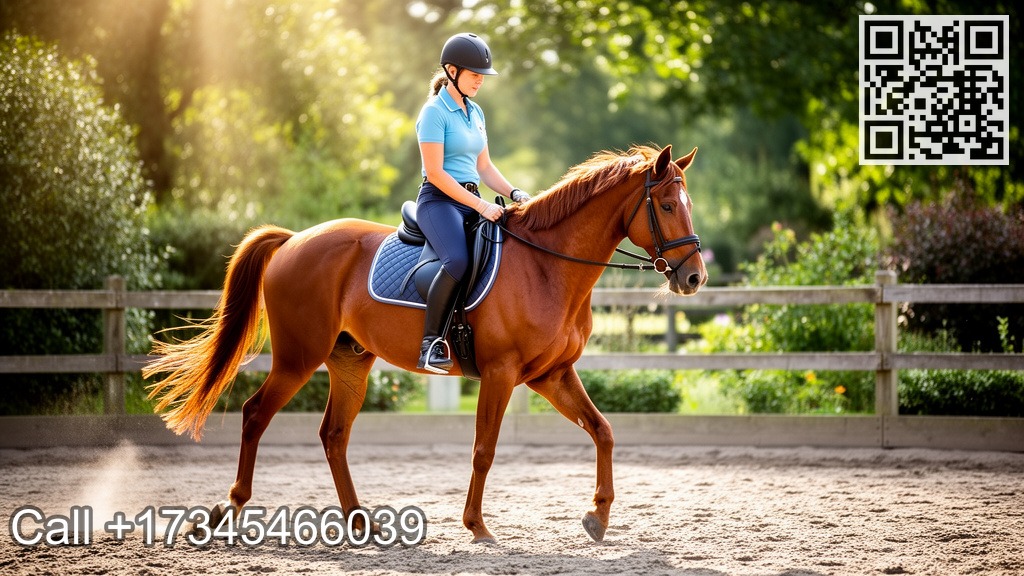
Here is an easy method to start:
- Schedule a 20 min contact us to share goals and restrictions, consisting of any type of allergies or mobility concerns. Visit the ranch to fulfill the herd, enjoy a session ideally, and attempt a quick groundwork exercise at the rail. Co-create 2 goals that matter in your daily life, then publication a preliminary 6 to 8 session block. Keep a small log after each browse through noting one body sign you discovered and one ability you exercised at home.
From there, the path adapts. Some individuals remain for a season, some for a year, some return for tune-ups when life throws a contour. Steeds will be here, carrying Michigan's climate with humor.
Belonging is not a destiny presented. It is a practice. Steeds assist us practice well. That is what I have actually seen, session after session, on the ranches around Dexter. An individual walks in holding their breath. A horse waits, patient. After that something softens. Hoofbeats bring the rhythm. The rest is straightforward job, done together.